The Whirlwind Institute is a social change strategy center directed by Mark and Paul Engler. We provide articles, analysis, and research on critical issues facing progressive movements in the United States and internationally. Dive in by clicking the tabs above to explore resources related to each of our key project areas.
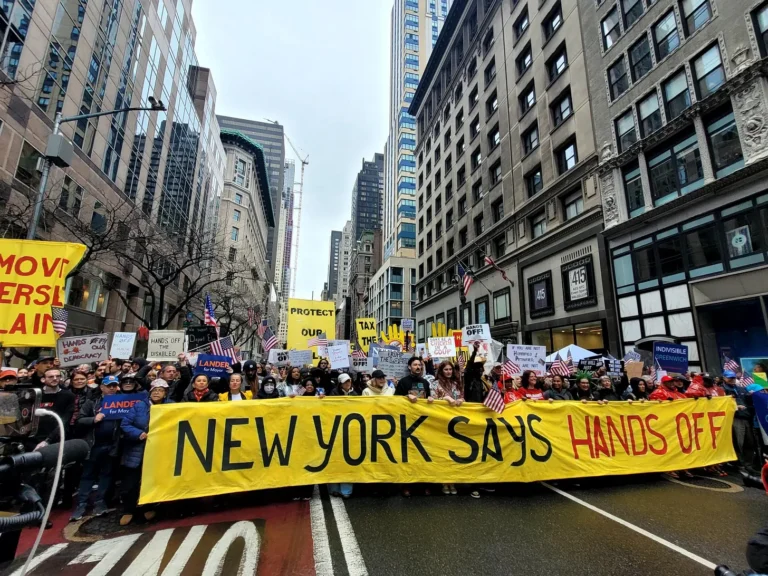
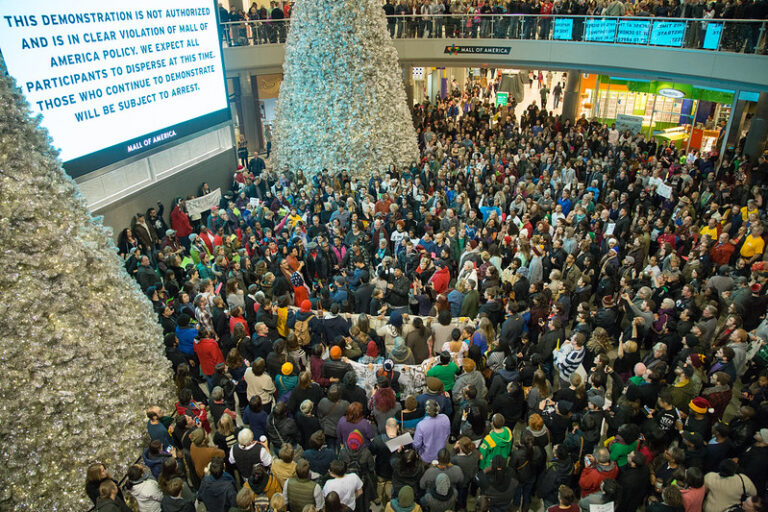
Five key factors determine whether controversial protests are more likely to spark backlash or create positive outcomes. (Part II of a two-part series on protest and polarization.)
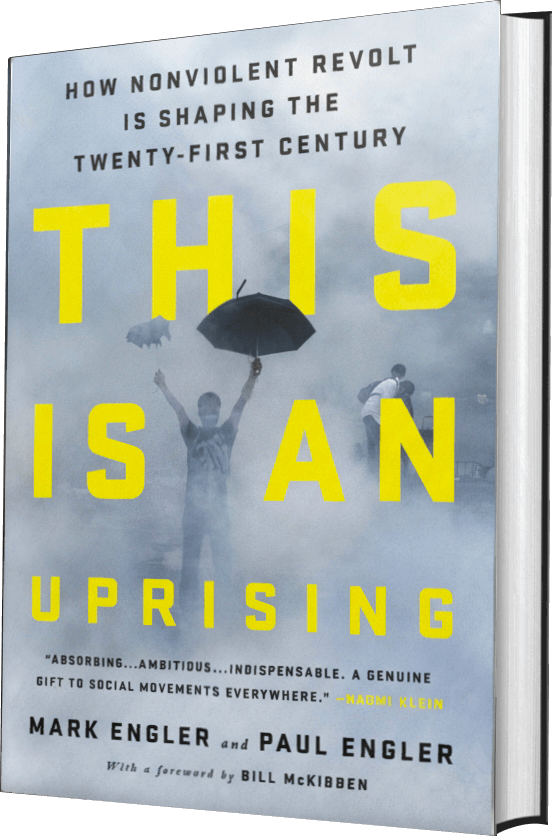
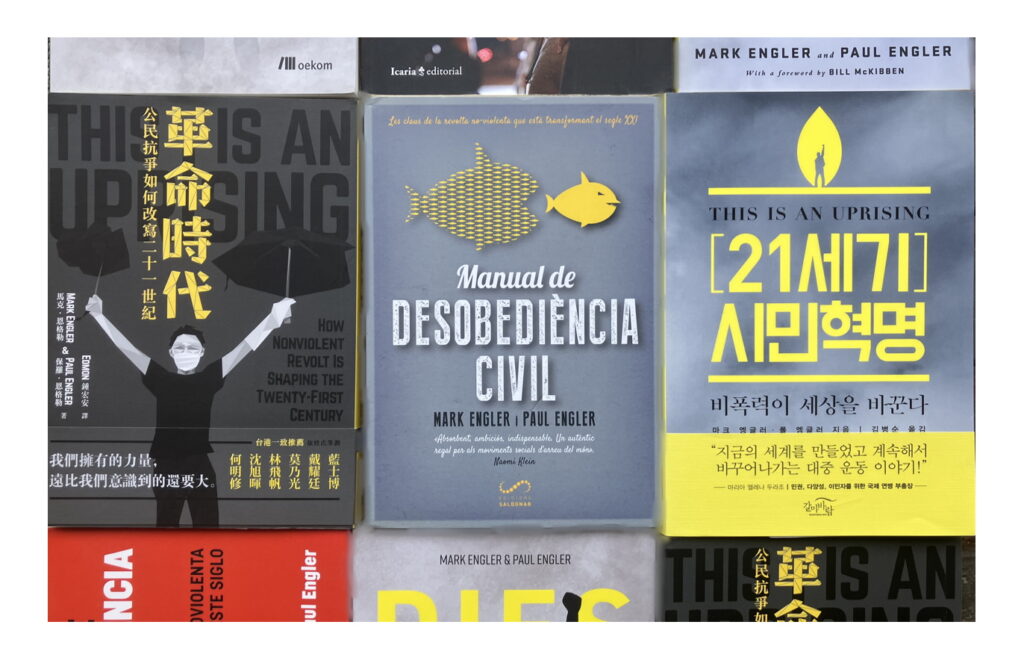
Many of the core concepts guiding our work at the Whirlwind Institute are explained in our book This Is An Uprising, available in stores and through onlinebooksellers.
“For all those who dare to dream that truly transformational, even revolutionary change might be possible here in America in our lifetimes (but who wonder what strategies or tactics could possibly achieve a monumental shift in consciousness), this book is for you. We have more power than we realize, and the compelling stories of nonviolent movements around the world told here have much to teach us about how we can use our power wisely.” —Michelle Alexander, author of The New Jim Crow
“Absorbing… Ambitious… Indispensable. A genuine gift to social movements everywhere.” —Naomi Klein, author of This Changes Everything and The Shock Doctrine
“This is a landmark book—not merely a history of nonviolent resistance, but a distillation of a few key concepts. ‘Momentum-based organizing’ puts a name on something that many of us had dimly intuited. It’s a powerful method for making real change fast. And real change fast is in fact what our world requires.” —Bill McKibben, author and co-founder of 350.org
“[The authors] brilliantly illuminate the debates between advocates of mass mobilization, organization building, nonviolence, and disruption. Mark and Paul Engler have constructed a new intellectual platform to advance our understanding of these strategic dilemmas.” —Frances Fox Piven, author of Challenging Authority and Poor People’s Movements
“Dispatches from the Whirlwind” offers insights on how social change works, lessons from movement history, and methods for tracking the impact of activist campaigns. We share articles, updates, and analysis designed to illuminate key issues in organizing and progressive politics—as well as to highlight the voices of those who are doing inspiring work in our world. Sign up now to have new content delivered to your inbox!
We are movement strategists, theorists, and practitioners who have been writing about organizing and progressive politics for more than two decades. We believe that today we need bigger, more coordinated social movements than ever. We formed the Whirlwind Institute to help seed new movements, grow existing ones, and create conditions in which different campaigns and organizations can work together. We aim to provide resources that assist participants in drawing best practices from movement history, avoiding the mistakes of the past, and operating at greater levels of scale and ambition.
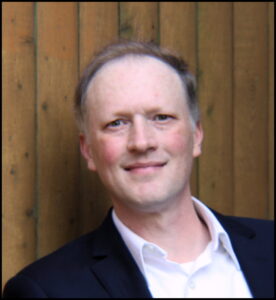
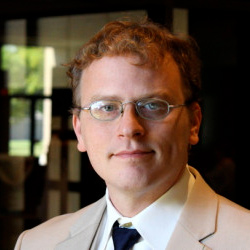
Paul Engler is founding director of the Center for the Working Poor, a co-founder of Momentum, and co-director of the Whirlwind Institute. He is author, with Mark Engler, ofThis Is An Uprising: How Nonviolent Revolt Is Shaping the Twenty-first Century. Read more here.
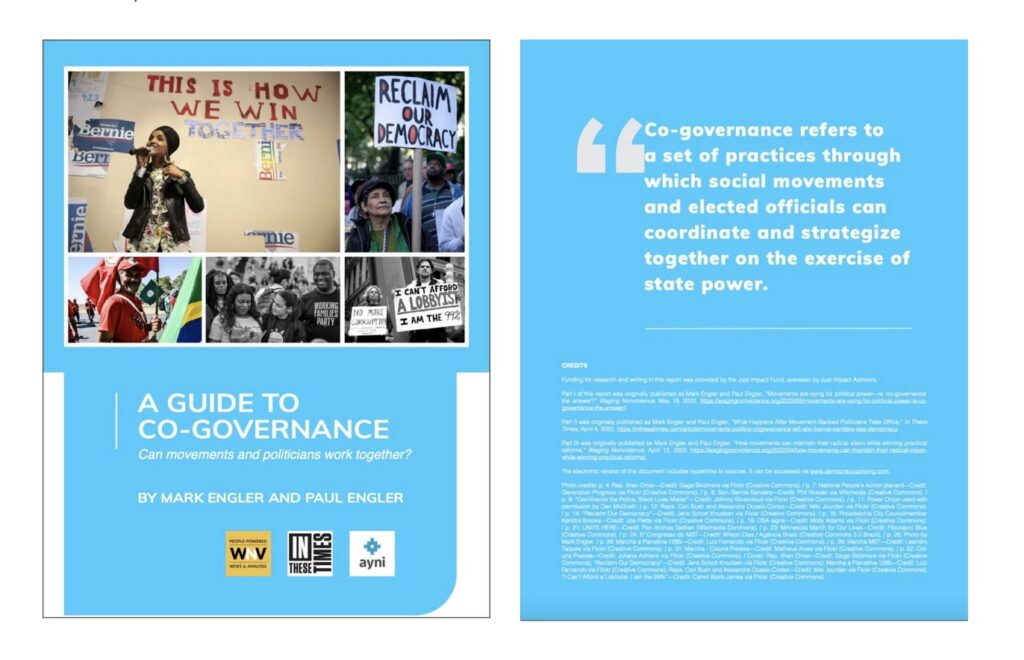
What is co-governance? And why is it relevant to progressive politics? This report provides answers, offering a history of the concept, looking at best practices, and highlighting common tensions that arise between grassroots activists and the elected officials they put into office.